
Menu
Words and Pictures Working Together: What Children’s Authors Should Know About Visual Storytelling
by ReadersMagnet | November 13, 2026 | Author Tips, Uncategorized | 0 comments
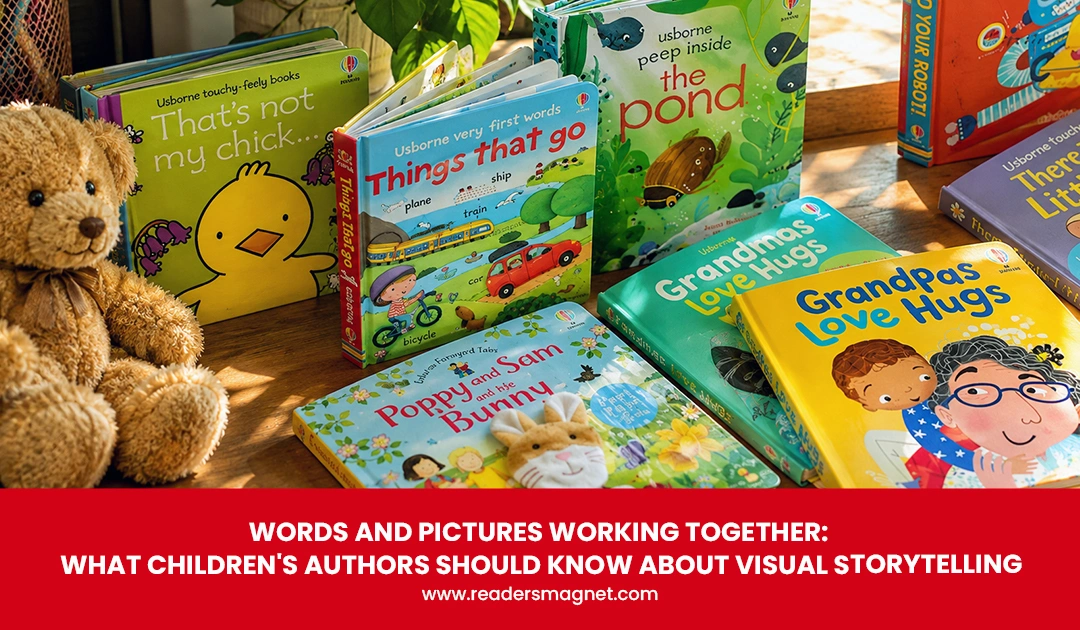
Writing a children’s book involves more than choosing the right words. Authors must consider how illustrations help young readers understand characters, experience emotions, and explore the story. When words and pictures complement each other, they create engaging narratives that spark curiosity and encourage children to keep reading.
Visual storytelling helps authors strengthen their writing, communicate ideas clearly, and make stories more memorable. By planning each page carefully and collaborating effectively with illustrators, children’s authors can create meaningful reading experiences that capture young imaginations and inspire readers to return to their books again and again.
Why Visual Storytelling Matters in Children’s Books
Young readers often rely on pictures to understand what is happening in a story. Illustrations help them recognize characters, follow events, and interpret emotions. They can also introduce details that children might not yet understand through words alone.
A character’s expression can show excitement, sadness, or fear without requiring a lengthy explanation. A colorful setting can establish the mood before the first line of dialogue. These visual details help children connect with the story more naturally.
Visual storytelling also encourages curiosity. Children may notice small objects in the background, follow visual clues, or discover details they missed during an earlier reading. These moments make books more engaging and enjoyable.
Let Illustrations Support the Story
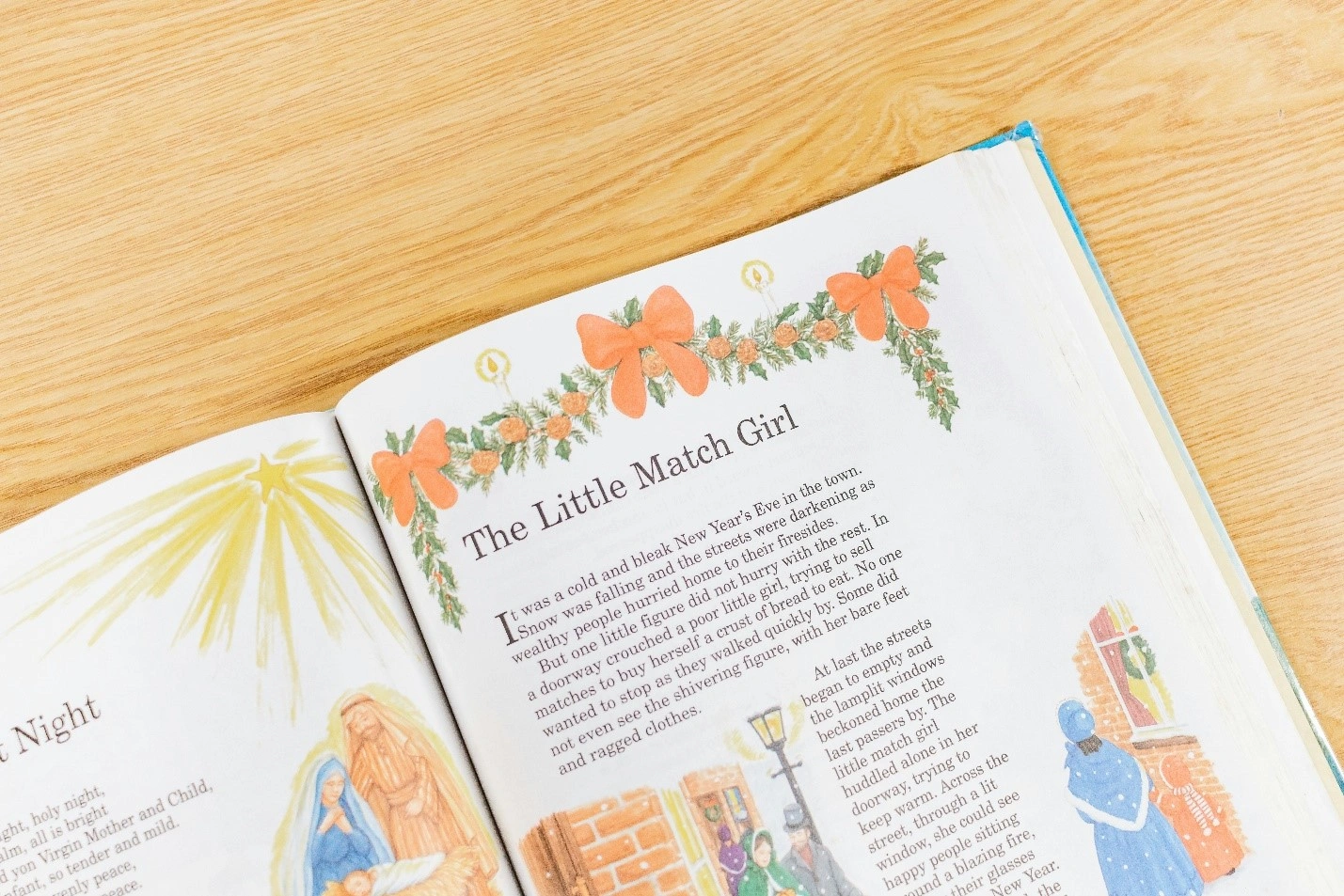
Photo by Sincerely Media on Unsplash
Illustrations should do more than decorate the pages. They should help move the story forward.
For example, a sentence might describe a child searching for a missing toy. The illustration could reveal a glimpse of the toy beneath a chair. This gives young readers a chance to participate in the discovery before the character finds it.
Authors should look for opportunities to let pictures communicate information that does not need to be repeated in the text. When words and illustrations complement each other, the story feels more natural and dynamic.
Before adding descriptions, consider what the illustration can already show. This approach helps keep the writing concise while giving the illustrator room to contribute creatively.
Choose Words That Leave Room for Imagination
Children’s authors sometimes feel the need to explain every detail. However, too much description can limit the illustrator’s creative freedom and make a story feel crowded.
Instead, focus on the details that matter most to the plot, characters, and emotions. A simple sentence can establish an action while allowing the illustration to show the setting, expressions, and surrounding details.
For instance, writing that a little girl opened the mysterious door gives the illustration room to reveal what she sees. The picture might show a glowing garden, a hidden room, or an unexpected visitor.
Clear, purposeful writing gives illustrations space to enrich the reading experience. It also encourages children to interpret what they see and imagine what might happen next.
Work Closely With Your Illustrator
A strong partnership between an author and an illustrator can make a significant difference in a children’s book. Each brings a different perspective.
Authors understand the story’s message, characters, and intended audience. Illustrators translate these elements into visuals, including scenes, expressions, colors, and composition.
Share the story’s tone, important character traits, and essential plot details with your illustrator. Explain which scenes are especially important and identify information that must remain consistent throughout the book.
At the same time, remain open to the illustrator’s ideas. They may discover a visual detail that strengthens a character or makes a scene more meaningful.
Clear communication helps both collaborators work toward the same goal without restricting creative possibilities.
Consider Age, Reading Level, and Page Design
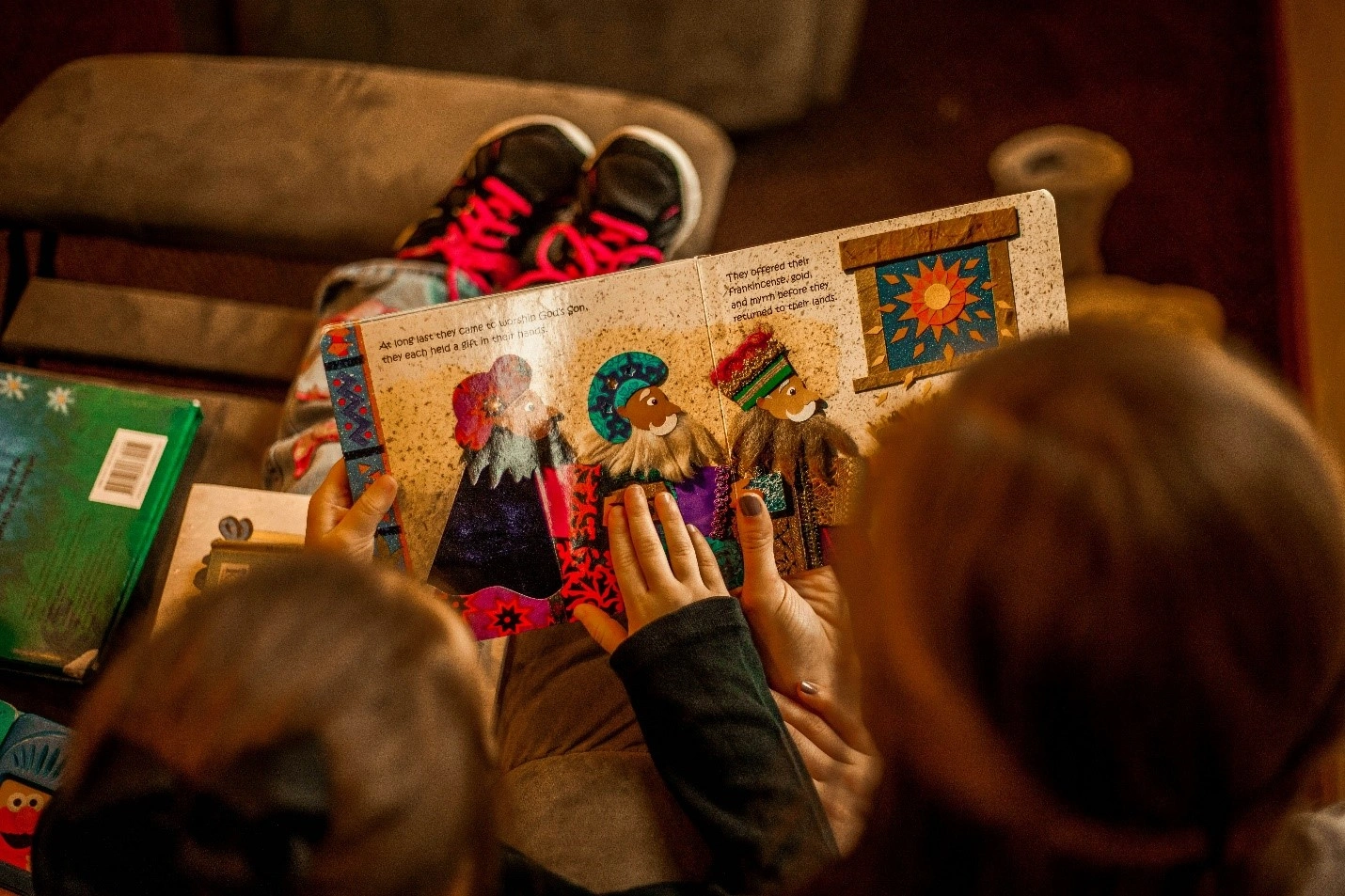
Photo by Ben Mullins on Unsplash
Visual storytelling should reflect the intended audience’s needs. Very young children often benefit from clear images, recognizable objects, expressive characters, and simple compositions.
Early readers may need illustrations that reinforce unfamiliar words and clarify actions. Older children can enjoy more detailed artwork, visual clues, and layered scenes that reward careful observation.
Page design also matters. Text and illustrations should be arranged so readers can follow the story comfortably. Crowded pages may overwhelm young audiences, while poorly placed text can distract from important visual details.
Consider how each page connects to the next. Page turns can create suspense, reveal surprises, or build anticipation. Planning these moments early can improve the story’s pacing and impact.
Keep Visual Details Consistent
Consistency helps children understand and follow a story. Characters should look recognizable throughout the book, including their clothing, physical features, and distinctive accessories.
Settings, important objects, and visual patterns should also remain consistent unless a change serves a clear purpose.
Authors should review the illustrations alongside the manuscript to identify confusing details or gaps in the story. Reading the book aloud while following the pictures can help reveal whether the words and images work together smoothly.
Feedback from parents, teachers, and young readers can also provide useful insights. Their reactions may reveal which scenes engage readers, confuse them, or stand out as especially memorable.
Create a Book That Young Readers Will Remember
Visual storytelling combines language and art. Words establish meaning, develop characters, and guide the narrative. Illustrations add emotion, atmosphere, and details that help children experience the story more fully.
For children’s authors, the goal is not to make every page visually impressive or fill every space with text. It is to create a thoughtful balance that serves the story and its readers.
When words and pictures work together, a children’s book becomes more than a sequence of sentences and images. It becomes an invitation to explore, imagine, and discover.
Ready to bring your children’s book to life?
Creating a compelling children’s book takes thoughtful writing, engaging illustrations, and careful planning. Visit ReadersMagnet.com or call 1-800-805-0762 or (619) 202-8900 to explore publishing and book marketing services that can help you share your story with readers.