
Menu
Home / History, History World, Non-fiction / NUCLEAR WAR: HIROSHIMA, NAGASAKI, and THE INCENTIVIZATION OF WORLD PEACE
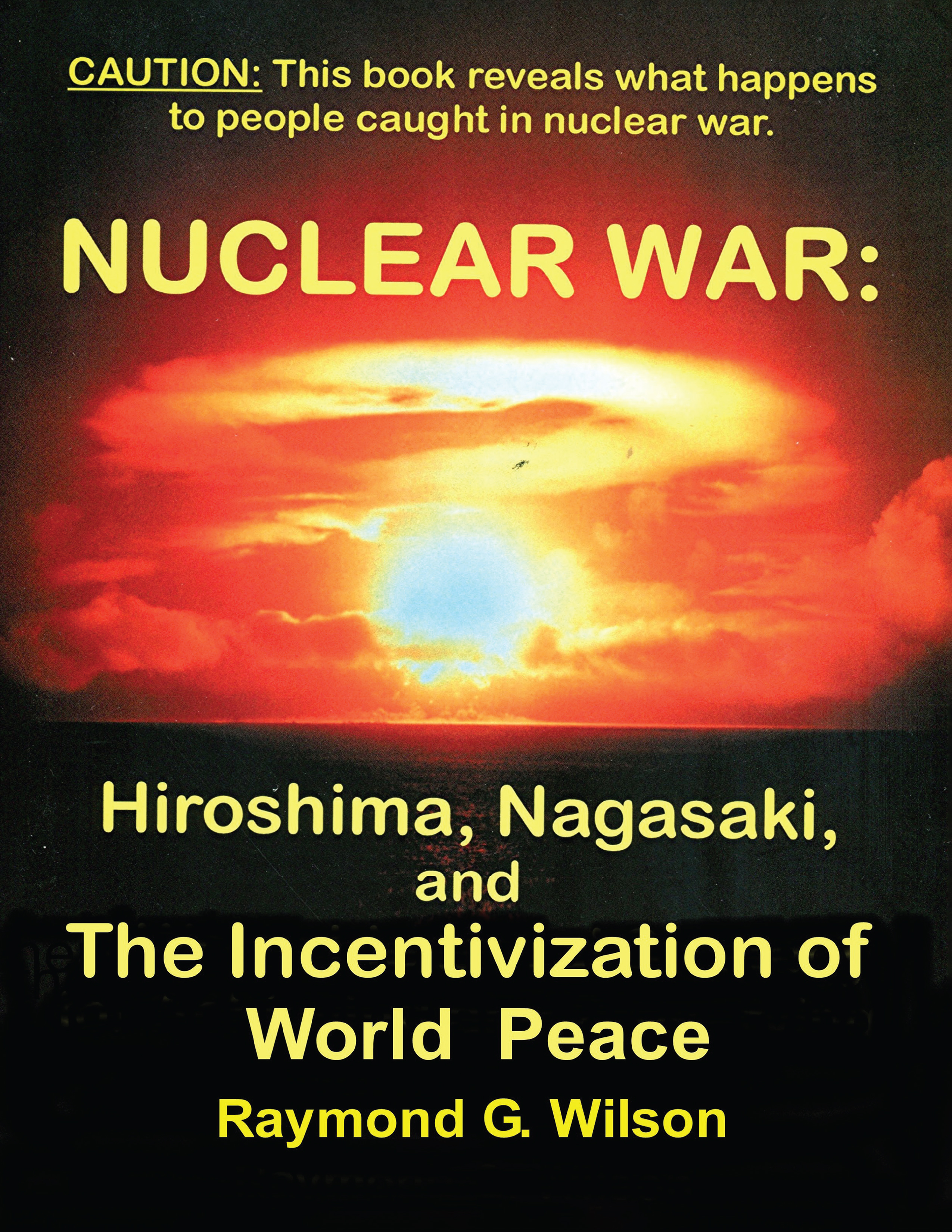
NUCLEAR WAR: HIROSHIMA, NAGASAKI, and THE INCENTIVIZATION OF WORLD PEACE
Raymond G. Wilson
Published Date: June 13, 2026
Pages:280
Book Description
About The Author
Reviews (1)
| Description | My explorations began in 1959, initially, teaching high school physics students how to protect themselves in the event of nuclear “exchanges” with the Soviet Union. (You were out of luck if did not enroll in physics.) Later, this venture continued whenever my physics students at Illinois Wesleyan University encountered nuclear phenomena. When the United States initiated the world’s first |
|---|
Raymond G. Wilson –
Kirkus BOOK REVIEW
Wilson offers a strategy for world peace that keeps the worst horrors of war firmly in view. In this nonfiction book, the author has a proposal to make to his readers: a “workable moral strategy” for world peace. To make it stick, he includes in his brief book both color and black-and-white photos of some of the worst examples of what’s at stake, including aerial views of Hiroshima and Nagasaki and very graphic images of the almost inconceivable horror of Japanese burn victims. Wilson offers an idea to avoid such horrors in the future—a gigantic mutual fund of developmental tools and knowledge vouchsafed by developed countries to the United Nations for dispersal to developing countries for their own betterment (in lieu of annual expenditures of monetary foreign aid or military occupation). “The very significant virtue of the workable moral strategy described here is that the dollar never goes overseas, the flag stays home, and the soldiers stay home,” the author writes. In this way, Wilson posits, less developed nations “will finally begin to see their hopes and dreams of a peaceful advancing homeland coming true.” Across the generously illustrated pages, Wilson addresses the obvious complications regarding his plan, including the tangle of well-known hot spots like the South China Sea and the Israel-Palestine conflict. Throughout the work, the author grimly and consistently acknowledges the ugly realities of failures to achieve world peace, using images and words to remind his readers of the horrific human suffering that results from weapons of war (writing of nuclear weapons, he chillingly notes that “the energy produced by nuclear reactions can be one hundred thousand to one million times greater than the energy produced by the most energetic chemical reactions”). Readers will be stirred to thought—and maybe action. A powerful and arresting illustrated plan to save the world.